





A precise explanation of why activity increases but momentum doesn’t – and why leadership intuition often misfires.
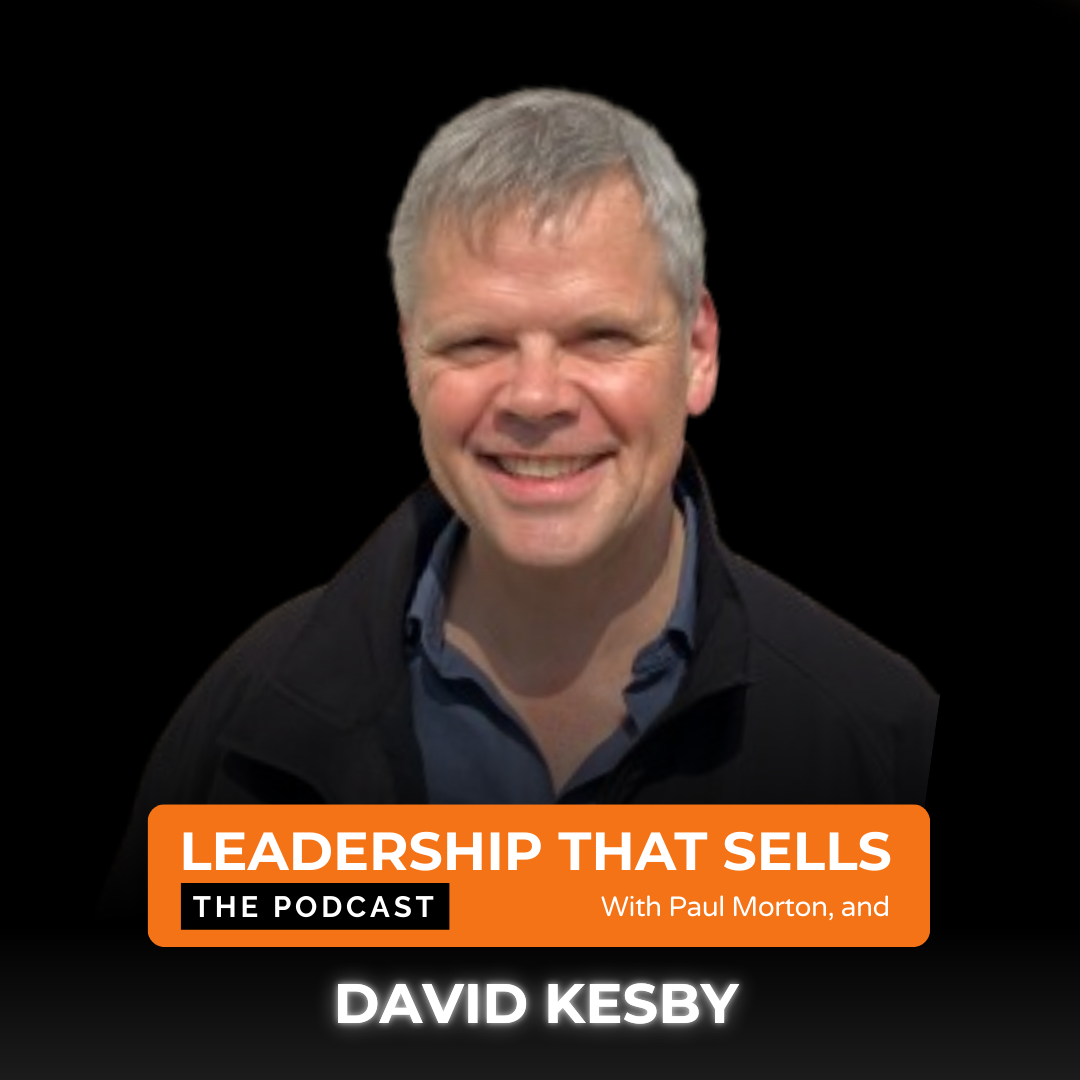
Most sales teams aren’t teams at all. They’re collections of high-performing individuals running in parallel—lone wolves, each doing their own thing, occasionally gathering for a dreaded team meeting. In this episode, I’m joined by David Kesby, author of Extra Dependent Teams, and together we unpack what’s really going on in your sales team dynamic—and why trying to lead them like a rugby squad is making things worse.
David’s background in the military and years of organisational coaching have given him a black belt in decoding team dysfunction. We talk about what’s broken in traditional sales leadership, how to spot when your team isn’t really a team, and what to do instead. From ditching unproductive team meetings to building a culture of shared learning and mutual identity, this is a masterclass in rethinking sales leadership for the real world.
How to turn your sales team into a learning culture that performs:
- Stop pretending your team is interdependent. Most sales teams are extra dependent—similar roles, similar work, no reliance on each other to get results.
- Ditch the “prove yourself” culture. Separate data interrogation (pipeline reviews) from performance development (1:1 coaching).
- Stop team meetings from being a prison. Use them for collaborative problem-solving, not status updates.
- Shift A-player incentives: competition should be aimed at the market, not each other.
- Build team identity with shared stories, common practices and a collective sense of ownership.
Timeline summary
[04:10] – The moment David knows a team isn’t functioning: finger-pointing and blame
[06:15] – Sales performance issues? It’s either product-market fit or leadership. Here’s how to tell
[10:56] – “My team isn’t a team” – what that really means and why language matters
[12:22] – Why top performers won’t share their playbook (and how you created that problem)
[19:02] – Why your team meetings are killing collaboration—and how to flip the script
[23:30] – How to run team sessions that actually improve performance
[26:01] – “Interrogate the data, not the person” – a new approach to coaching
[30:05] – How to build team identity with the ‘skills, bills, thrills and spills’ model
[35:11] – The first thing you must do if you realise your team isn’t really a team
Links & resources
- David Kesby’s book Extra Dependent Teams: Realising the Power of Similarity – Buy direct from Routledge (use code 25AFLY3 for discount)
- Team Dependency Diagnostic – available on David’s website davidkesby.com
- Free Parallel Team Playbook – from the Practical Leadership Academy practicalleadership.academy
If you enjoyed this episode, rate and review the show, follow us, and share it with your fellow sales leaders. Let’s help more managers lead first—and sell more.